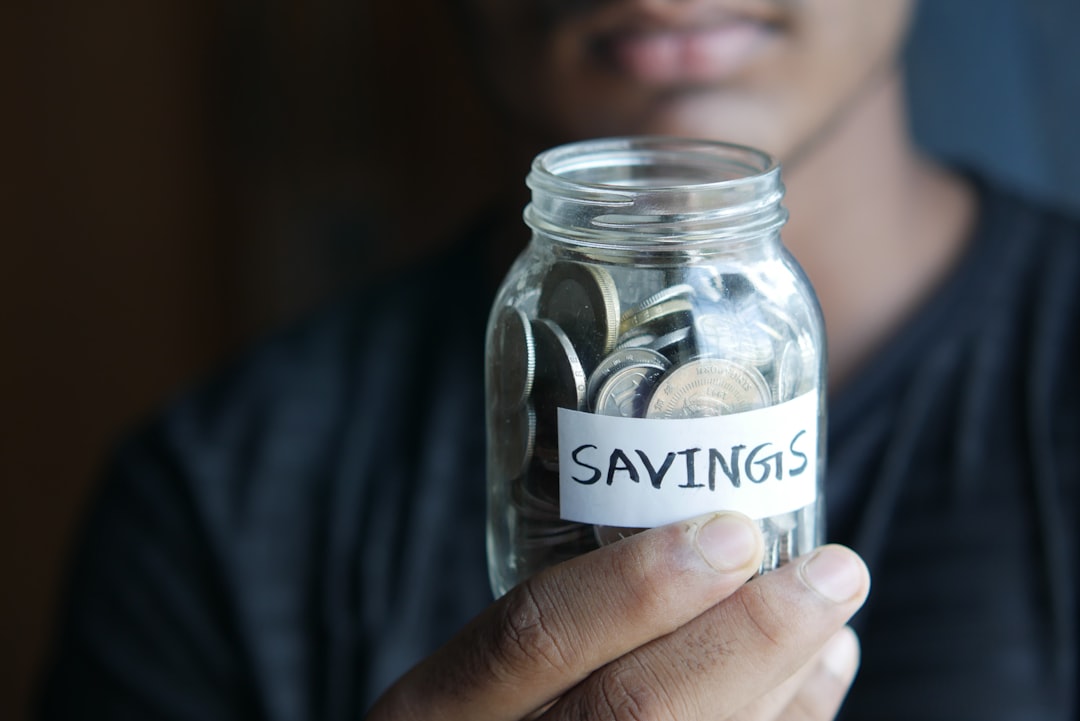
Can saving feel like a chore every month? Try these nine automated strategies to make saving effortless, steady, and nearly invisible so your bank balance grows without daily decisions.
1. Round-Up Every Purchase to Save Spare Change
Link a round-up feature to your debit or credit card so every purchase rounds to the next dollar, and the spare change moves into savings. Small shifts add up quickly, turning everyday spending into a steady savings stream that requires zero thought after setup.
Choose the round-up frequency that matches your cash flow, daily or weekly, and monitor the balance for a month to set expectations. This approach works for starters who want momentum without a big initial commitment.
Pro Tip: If your bank offers a matching bonus on round-ups, enable it to accelerate growth without changing your habits.
2. Schedule Automatic Transfers to a High-Yield Account
Set a recurring transfer from checking to a high-yield savings account on the day after payday, so money is saved before you can spend it. Picking a high-yield option compounds earnings and makes every automatic transfer slightly more valuable over time.
Adjust the transfer amount annually or when income changes to keep the habit aligned with goals, and keep a small buffer in checking to prevent overdrafts. This method turns saving into a bill that pays your future self first, removing temptation.
Quick Tip: Start with a modest percentage, like 5 percent of net pay, and increase it by 1 percent every quarter until you hit your target.
3. Use Paycheck Split or Direct Deposit Rules
Ask your employer to split direct deposit across accounts so a fixed portion lands directly in savings, retirement, or an emergency fund. That instant allocation avoids the delay between receiving a paycheck and moving money manually, which is when spending decisions slip in.
Review the split each six months to ensure the allocation still matches your priorities, and combine it with round-ups for aggressive saving. This creates a multi-layered system that captures savings before you see the full paycheck in your main account.
Expert Insight: If your employer supports multiple accounts, dedicate one specifically to irregular expenses, like car repairs, to smooth future cash flow spikes.
4. Convert Windfalls into Automatic Deposits
Set rules so any tax refunds, bonuses, or freelance checks trigger a percentage transfer to savings automatically when deposited. Treat windfalls as leverage opportunities, not spending money, and you will build a cushion fast without sacrificing treats you already budget for.
Create a simple formula like 50 percent to savings, 30 percent to debt, and 20 percent to reward, then automate those splits with your bank or payroll provider. This disciplined approach makes one-time gains work for long-term stability instead of one-off luxuries.
Insider Tip: For irregular income, automate a small baseline transfer each month and add a windfall rule that increases transfers when extra funds arrive.
5. Automate Goal-Based Pots for Short and Long Term
Open separate savings pots for distinct goals: emergency fund, vacation, and big purchases, then schedule transfers into each pot with priorities and deadlines. Visual goal tracking within many apps increases motivation and prevents commingling, which often sabotages saving efforts.
Set smaller, frequent transfers to goals you dread funding, and larger, less frequent transfers to long-term goals if that matches your cash flow. Splitting goals makes progress visible and helps you allocate windfalls and wind-down months sensibly.
Heads Up: Reassess goal priorities at year end, then reassign transfer amounts so automation follows your evolving plans rather than outdated targets.
6. Automate Bill Payments and Redirect Surplus
Automate fixed monthly bills to avoid late fees and then create a rule to move any leftover balance into savings at month end. When bills are predictable and paid on time, the remaining cash becomes a predictable source for automated savings rather than impulse spending.
Use a simple calendar check each month to ensure automatic payments match actual bills and adjust when subscriptions change. This habit turns leftover money into intentional savings without extra effort.
Worth Knowing: If you use a credit card for bills, set up automatic full payments and move the credit card rewards into a savings pot to compound benefits.
7. Let Robo-Advisors Handle Investment-Based Saving
Use a robo-advisor to automatically invest surplus cash or set up recurring contributions to low-cost portfolios, matching your risk tolerance and time horizon. Automated investing removes timing stress and keeps you contributing steadily, which can outpace simple bank savings over the long run.
Choose a robo product with automatic rebalancing and tax-efficient features, and set alerts only for significant changes so you remain hands-off but informed. Pairing a cash safety net with automated investing balances growth with liquidity needs.
Pro Tip: If you add tax-advantaged accounts to the automation, prioritize those contributions first to maximize long-term returns.
8. Round-Down Savings for Lifestyle Swaps
Create a “lifestyle swap” rule that round-downs larger purchases and transfers the difference into savings to offset occasional upgrades like dining out or streaming bundles. Instead of cutting pleasures, this method redirects a tiny fraction of premium spending into future comfort.
Identify one recurring nonessential you can shave slightly, and automate the percentage into savings each month. Over time, small sacrifices compound into substantial reserves without feeling like deprivation.
Quick Tip: Link swap rules to specific categories in your budget app to keep tracking transparent and avoid accidental oversaving from core expenses.
9. Automate Emergency Fund Replenishment After Withdrawals
Set a rule to automatically replenish your emergency fund after any withdrawal, for example by triggering a weekly or monthly transfer until the fund reaches its target. This preserves the safety net without requiring you to track manual repayments, which typically get delayed or forgotten.
Combine this with alerts that state remaining shortfall and estimated months to recovery, so you stay motivated to rebuild quickly. Making replenishment automatic protects you from repeated drains and keeps that fund doing its job.
Expert Insight: Use a temporary higher transfer rate after a major expense to rebuild faster, then scale transfers back once the balance is healthy.
Wrapping Your New Automatic System
Pick two or three strategies to implement this month, automate them, and let compounding and habit do the heavy lifting while you live life. Which two automations will you set up first and why?