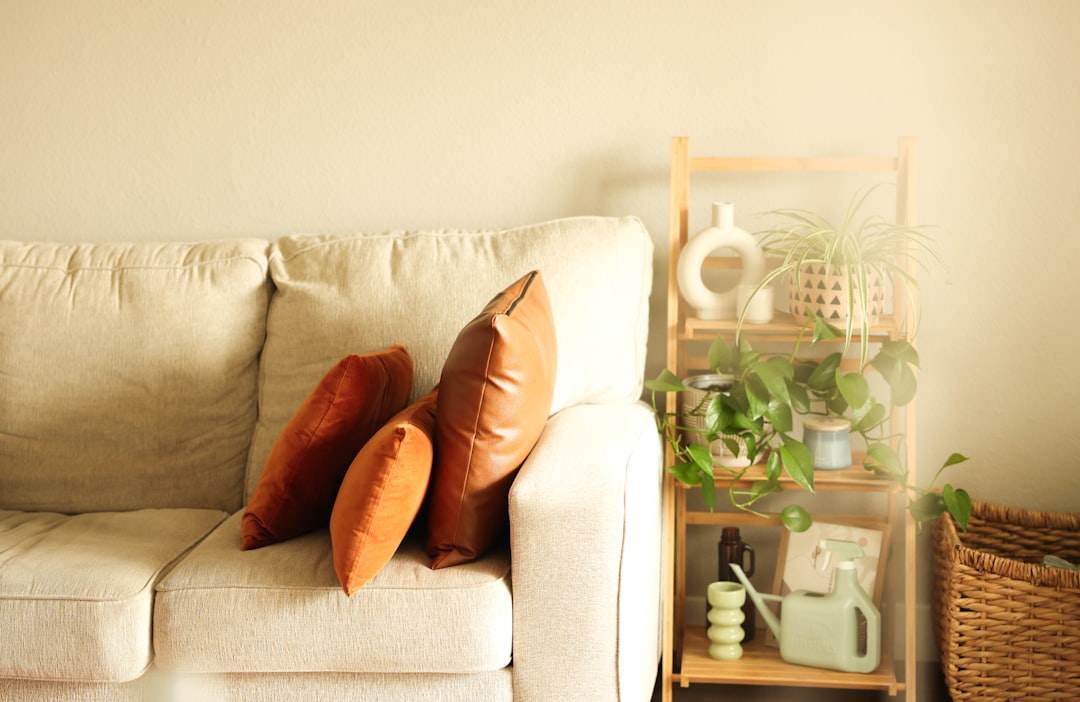
Want houseplants that survive neglect and still look great? These 9 indestructible indoor plants are perfect for beginners who want green without the guilt.
Snake Plant: The Nearly-Foolproof Air Purifier
Snake plants tolerate low light and skipped waterings, which makes them perfect for forgetful owners. Their upright leaves store water so you can water every 2 to 6 weeks depending on light levels.
Place a snake plant near a window that gets indirect light or even in a dim hallway, and use fast-draining soil to avoid root rot. Trim yellow leaves and repot only when roots are tightly crowded.
Pro Tip: Water only when the top inch of soil is dry, and reduce watering in winter to prevent rot.
ZZ Plant: The Glossy Survivor for Low Light
ZZ plants thrive in low light and handle irregular watering with ease, thanks to their thick, water-storing rhizomes. They show slow, steady growth so you will see progress without constant fuss.
Use a gritty potting mix and a pot with drainage holes to keep roots healthy, and rotate the plant occasionally so both sides get light. Brown tips usually mean overwatering, so pull back on the schedule if you see them.
Quick Tip: If leaves look dull, wipe them with a damp cloth to improve photosynthesis and appearance.
Pothos: Fast-Growing, Forgiving Trailing Plant
Pothos tolerates low to bright indirect light and survives short droughts, making it ideal for shelves and hanging pots. It also roots easily from cuttings, so you can create new plants quickly.
Trim long vines to encourage bushier growth and refresh the potting mix every couple of years for vigor. Avoid direct afternoon sun, which can scorch leaves, and watch for leggy growth that signals the need for more light.
Expert Insight: For fuller growth, prune stems back to a node and place cuttings in water until roots form before replanting.
Spider Plant: Pet-Friendly, Fast-Reproducing Green
Spider plants are tolerant of different light conditions and bounce back from occasional neglect, producing baby plantlets that are fun to propagate. Their arching leaves add dynamic movement to any room.
They do well in bright, indirect light but adapt to lower levels, and they like evenly moist soil that is not waterlogged. Use a hanging basket and remove yellowed leaves to keep the plant tidy.
Insider Tip: If more baby plantlets appear than you need, cut them off and root them in water to gift to friends or expand your collection.
Peace Lily: Quiet Bloomer That Hides Thirst Well
Peace lilies wilt dramatically when thirsty, which makes them easy to diagnose for new growers. They prefer bright, indirect light and steady moisture, and they reward you with white blooms when happy.
Keep soil consistently moist but not soggy, and fertilize lightly during the growing season to encourage blooms. If flowers fade, remove them to direct energy to new growth and keep the plant compact.
Heads Up: Peace lilies are sensitive to chlorine and fluoride in tap water, so use filtered or rested water when possible.
Cast Iron Plant: Tough Foliage for Shady Rooms
Named for its durability, a cast iron plant survives low light, humidity swings, and irregular care, so it fits awkward corners and dim bathrooms well. Growth is slow, so patience pays off with long-lasting leaves.
Use a well-draining mix and avoid direct sun which can scorch older leaves. Dust leaves occasionally to help the plant photosynthesize efficiently in low light conditions.
Worth Knowing: This plant dislikes frequent repotting, so only move it every 3 to 4 years unless roots are visibly congested.
Haworthia and Other Hardy Succulents: Compact, Water-Wise Choices
Small succulents like haworthia and echeveria are incredibly tolerant of neglect because they store water in their leaves. They prefer bright light and infrequent, deep waterings, which prevents root rot.
Plant succulents in a fast-draining cactus mix and use pots with drainage holes to keep excess water away from roots. Rotate them under a grow light if your windows are too shaded.
Pro Tip: Water thoroughly, then wait until the soil is completely dry before watering again, especially in winter.
Aglaonema (Chinese Evergreen): Stylish, Shade-Tolerant Foliage
Aglaonema adapts well to low light and humid indoor conditions, offering colorful leaves without fussy care. It tolerates uneven watering but prefers consistent moisture in well-draining soil.
Keep it out of direct sun to protect variegation, and wipe leaves to remove dust and pests. If growth slows, check for compacted soil and consider a light repotting during spring.
Quick Tip: If leaf tips brown, increase humidity with a pebble tray or group plants together to create a microclimate.
Jade Plant: Succulent with Tree-Like Potential
Jade plants are forgiving succulents that reward basic care with thick, glossy leaves and long-term structure. They need bright light and infrequent watering, which fits well with beginner routines.
Use a succulent soil blend and a shallow pot to prevent overwatering, and allow the top couple inches of soil to dry between waterings. Prune to encourage branching and maintain a compact shape.
Expert Insight: Rotate your jade regularly and provide strong, indirect light to avoid stretched, leggy growth and encourage denser branching.
Ready to Start Your Low-Maintenance Indoor Jungle?
Pick one or two plants from this list based on your light and watering habits, and build confidence before expanding your collection. Which of these indestructible plants will you try first, and where will you put it in your home?